
Explore our diagnostic imaging services
MMI also offers DEXA Total Body Composition scanning, the gold standard for measuring fat mass, lean mass, and bone mineral content. This exam provides detailed metrics including visceral fat, skeletal muscle index, and resting metabolic rate, and is commonly used for fitness tracking and health monitoring.
Bone Mineral Density (BMD) testing, also known as a DEXA (dual-energy X-ray absorptiometry) scan, is a specialized imaging exam used to measure bone density and strength. As bones naturally lose density with age, early detection of bone loss is critical—osteoporosis often develops without symptoms until a fracture occurs.
BMD testing provides essential information to help physicians diagnose osteoporosis, evaluate fracture risk, and monitor the effectiveness of treatment.
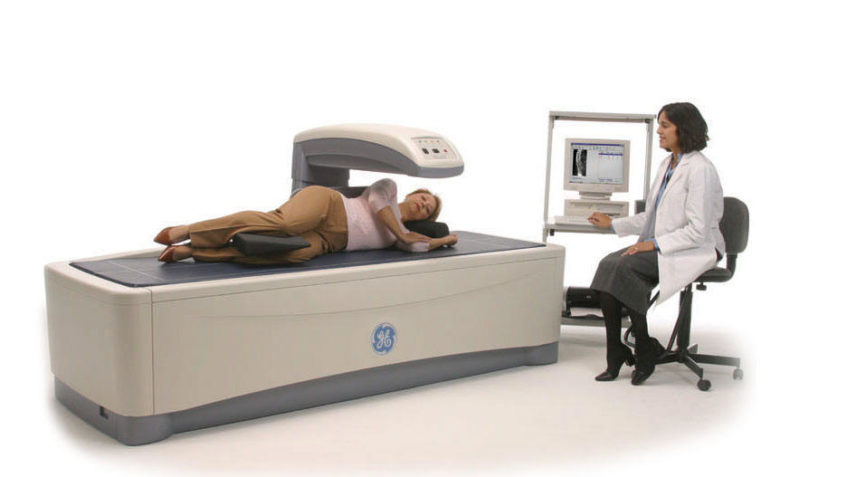
When you arrive at MMI for your BMD test, you will be asked to complete a brief medical history form. During the exam, you will lie still on an imaging table while a low-dose X-ray scanner passes slowly over your body. Bone density measurements are typically taken of the hip and lower spine.
The exam is painless, noninvasive, and uses a minimal amount of radiation, which is considered very safe.
Diagnose osteoporosis and low bone mass
Assess fracture risk
Monitor response to osteoporosis treatment
Compare bone density to age & gender matched reference populations
Support early intervention before fractures occur
BMD results are analyzed using standardized reference data and presented in graphical form to assist physicians in clinical decision-making.
Osteoporosis treatment or monitoring
Height loss of 0.75 inches (1.9 cm) or more
History of fragility fractures
Rapid bone loss risk factors (e.g., chemotherapy, rheumatoid arthritis)
Long-term glucocorticoid therapy (>= 3 months)
Low body weight (<125 lbs / 57 kg)
Hyperparathyroidism
Early menopause (before age 45)
Hypogonadism
Malabsorption syndromes
Physicians: These can be taken to any licensed facility providing healthcare services including hospitals and IHFs. Please click the button below to download an editable .pdf copy of our requisition and send it with your clients before their appointment.